Conservation & Custodianship
You leave it better than you found it
Our Commitment
“We don't measure success in beds filled. We measure it in species protected and habitats left intact.”
Our Initiatives
What your stay funds
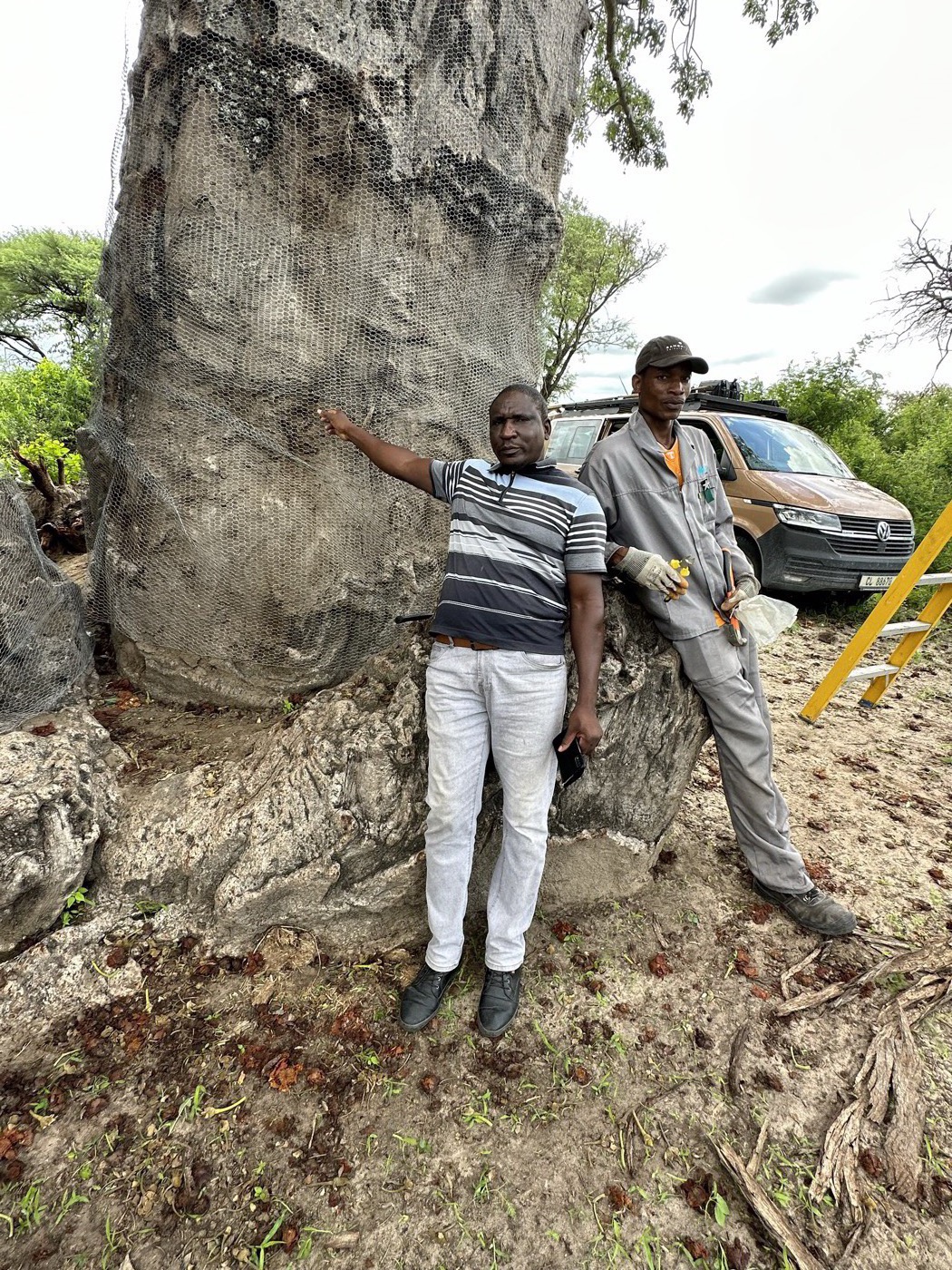
Every night you spend at Samonyana goes directly towards saving these trees. The wire, the equipment, the local labour, the transport out into the Delta — it is all funded by bookings.
No conservation levy. No separate donation. Just the act of coming here.
Tree Rescue
Guardians of the Island Forest
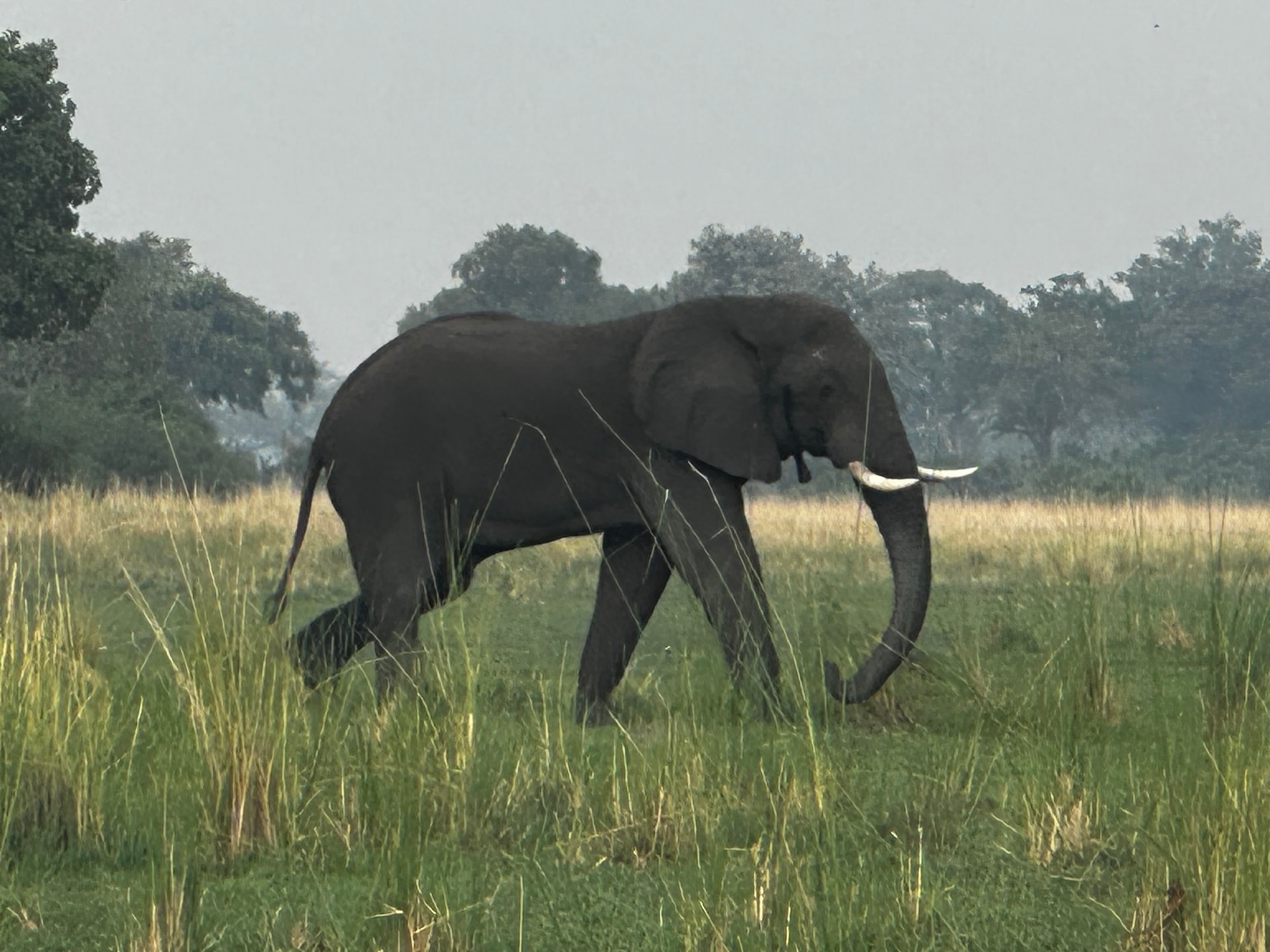
Samonyana sits within one of the most extraordinary ecosystems on Earth — the Okavango Delta — a place where wildlife and wilderness still shape the land as they have for thousands of years. Among its most powerful inhabitants are elephants. Magnificent, intelligent, and deeply woven into the rhythms of the Delta.
But even giants can leave a heavy footprint.
In recent decades, elephant numbers in northern Botswana have increased dramatically. Many herds now migrate south from Angola and other northern regions where decades of conflict once kept populations lower. Today, with fewer natural barriers and safer migration corridors, large numbers of elephants move through the Delta each year.
For ancient trees, this can be devastating.
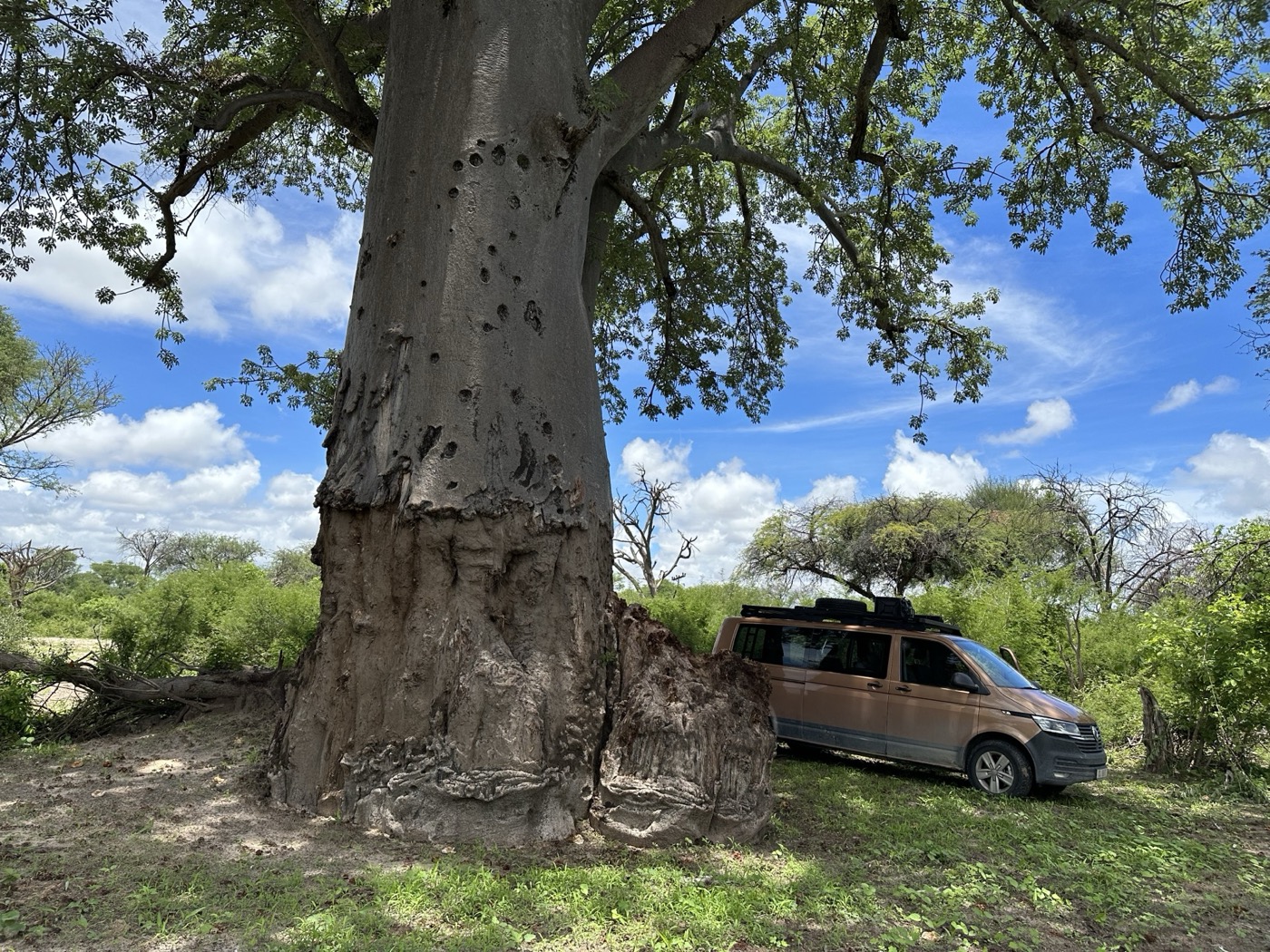
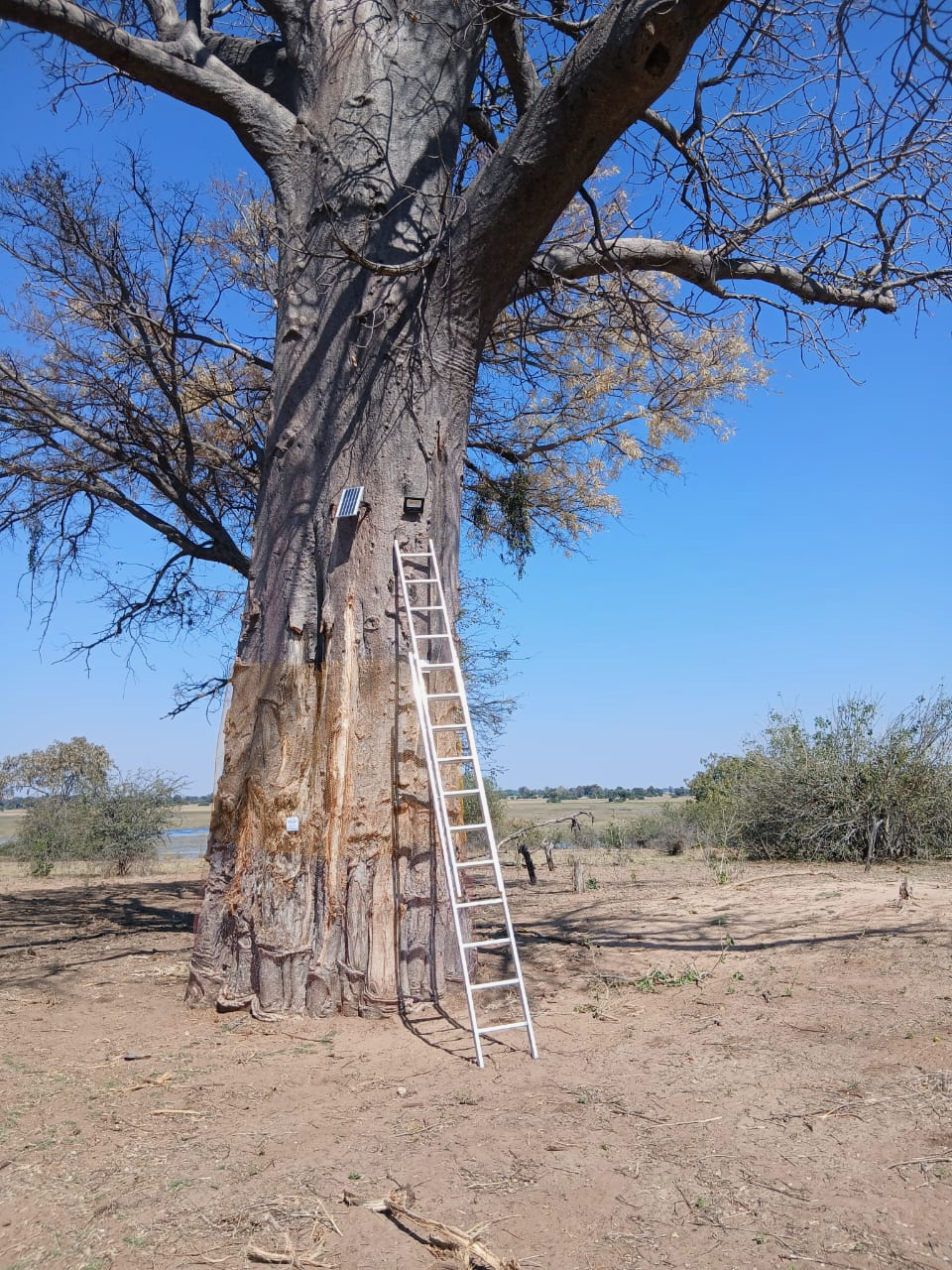
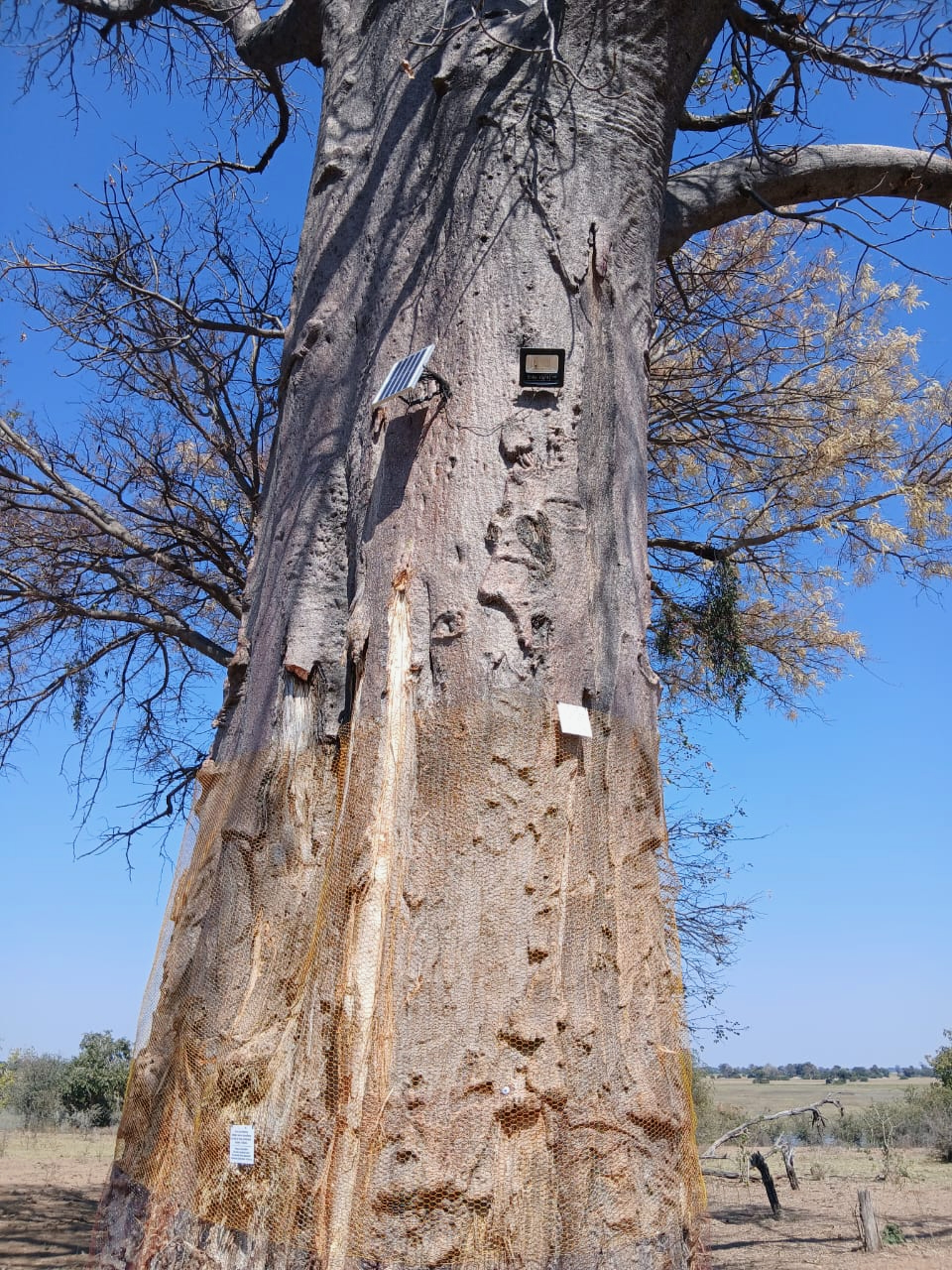
An ancient baobab on Samonyana Island, showing the exposed and damaged bark stripped by elephants.
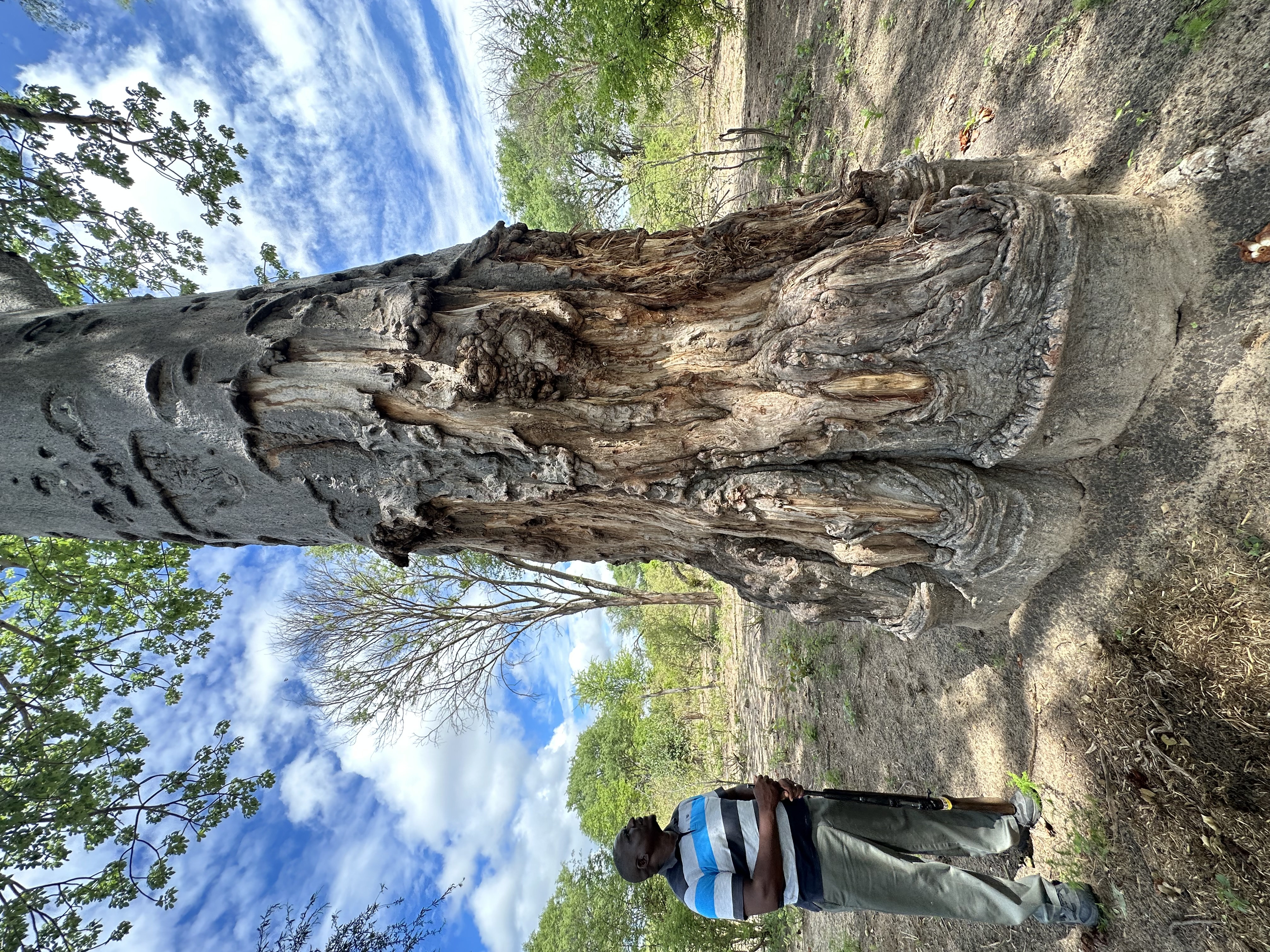
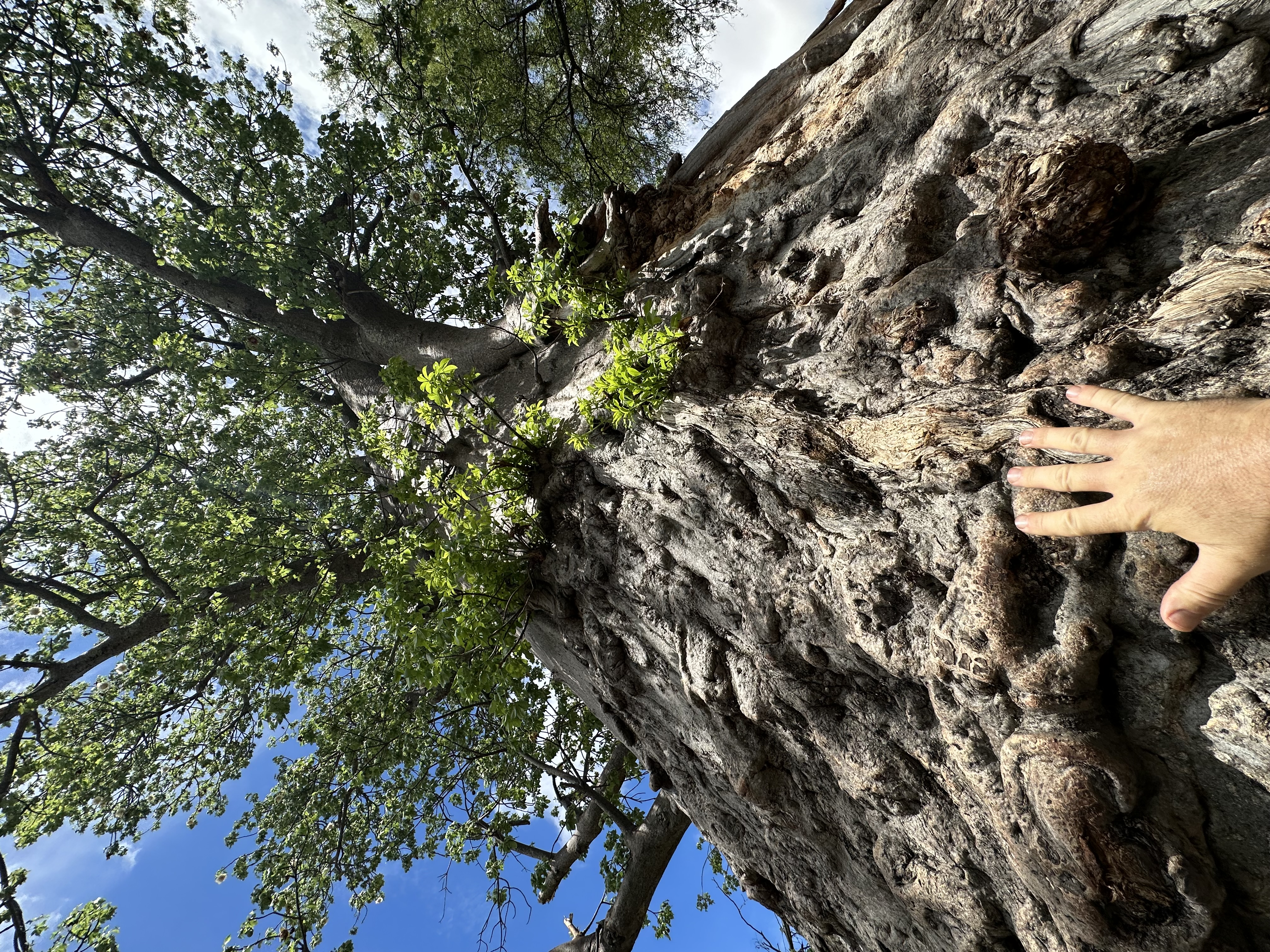
The scale of these ancient trees — and the damage they sustain — is only apparent up close.
Elephants feed not only on leaves and branches but also on bark. When an elephant ringbarks a tree, it strips away a continuous band of bark around the trunk. This bark contains the tree's living transport system — the layer that moves water and nutrients between the roots and the leaves. Once this layer is removed all the way around, the tree slowly dies because it can no longer sustain itself.
Some of the trees affected are centuries old. Slow-growing species that have stood through generations of floods, droughts, and wildlife. A single elephant can ringbark dozens of trees in a short period of time, and when large herds move through an area the damage can be significant.
At Samonyana, we believe coexistence with wildlife must also include active stewardship of the land.
The island is becoming a small but meaningful base for protecting these ancient trees while respecting the elephants that roam here. Working with local teams and conservation partners, we are experimenting with practical, low-impact methods to discourage elephants from destroying vulnerable trees:
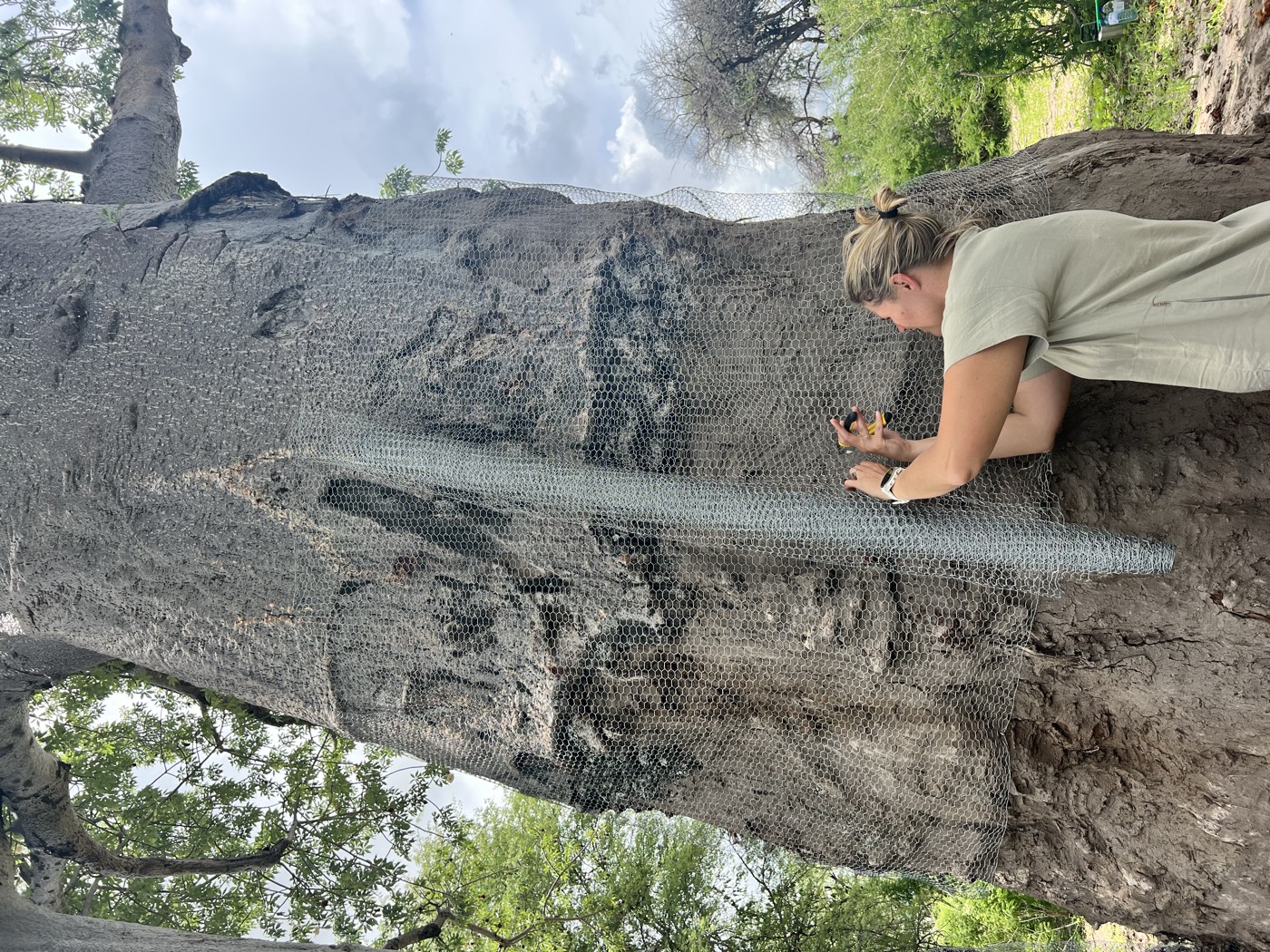
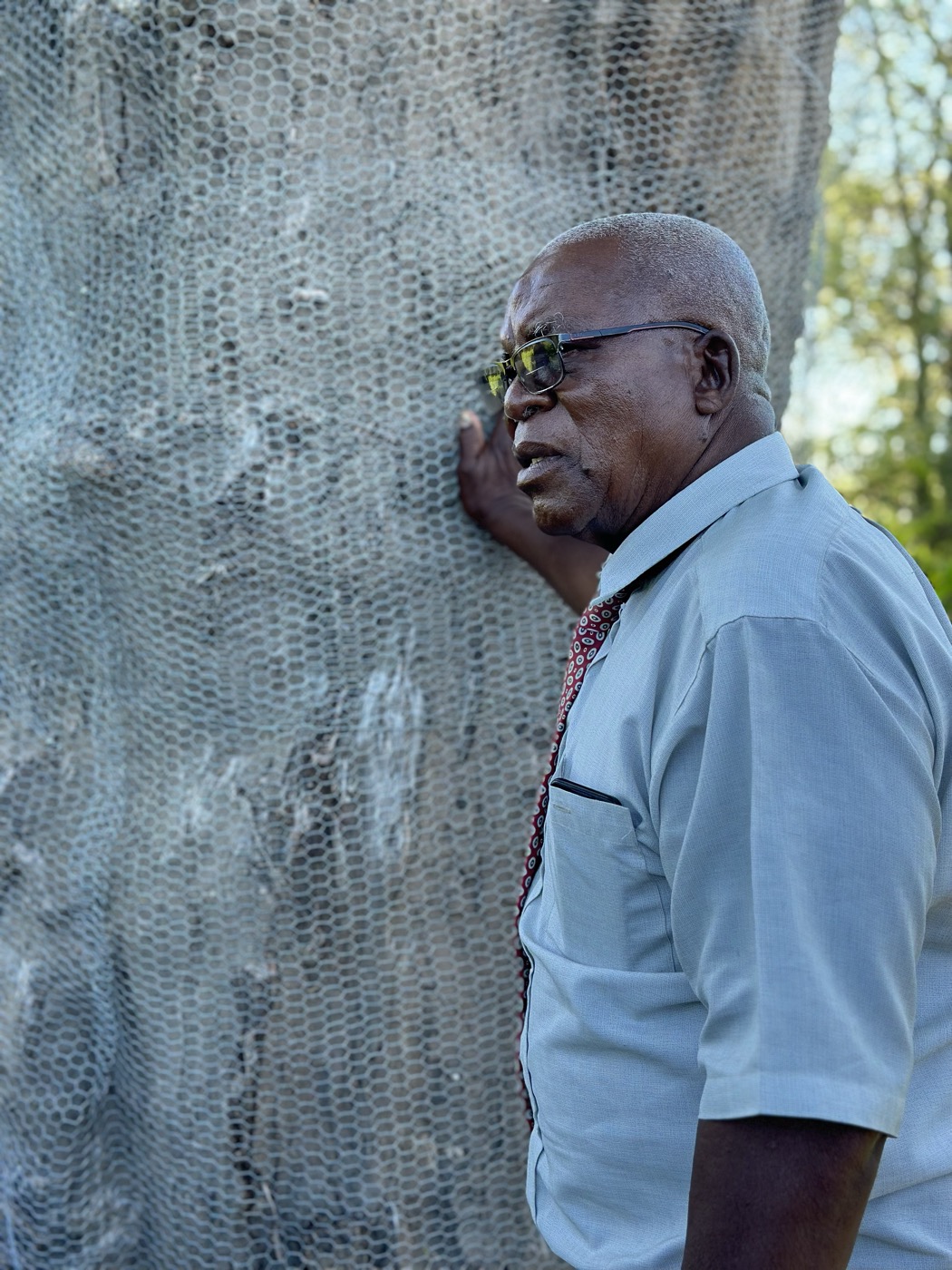
- Protective wire wraps around trunks to prevent elephants from stripping bark
- Mud and clay coatings, which elephants dislike touching with their trunks
- Beehive deterrents, using the elephants' natural avoidance of bees to keep them away from sensitive areas
- Monitoring and mapping of vulnerable trees so the most important ones can be protected
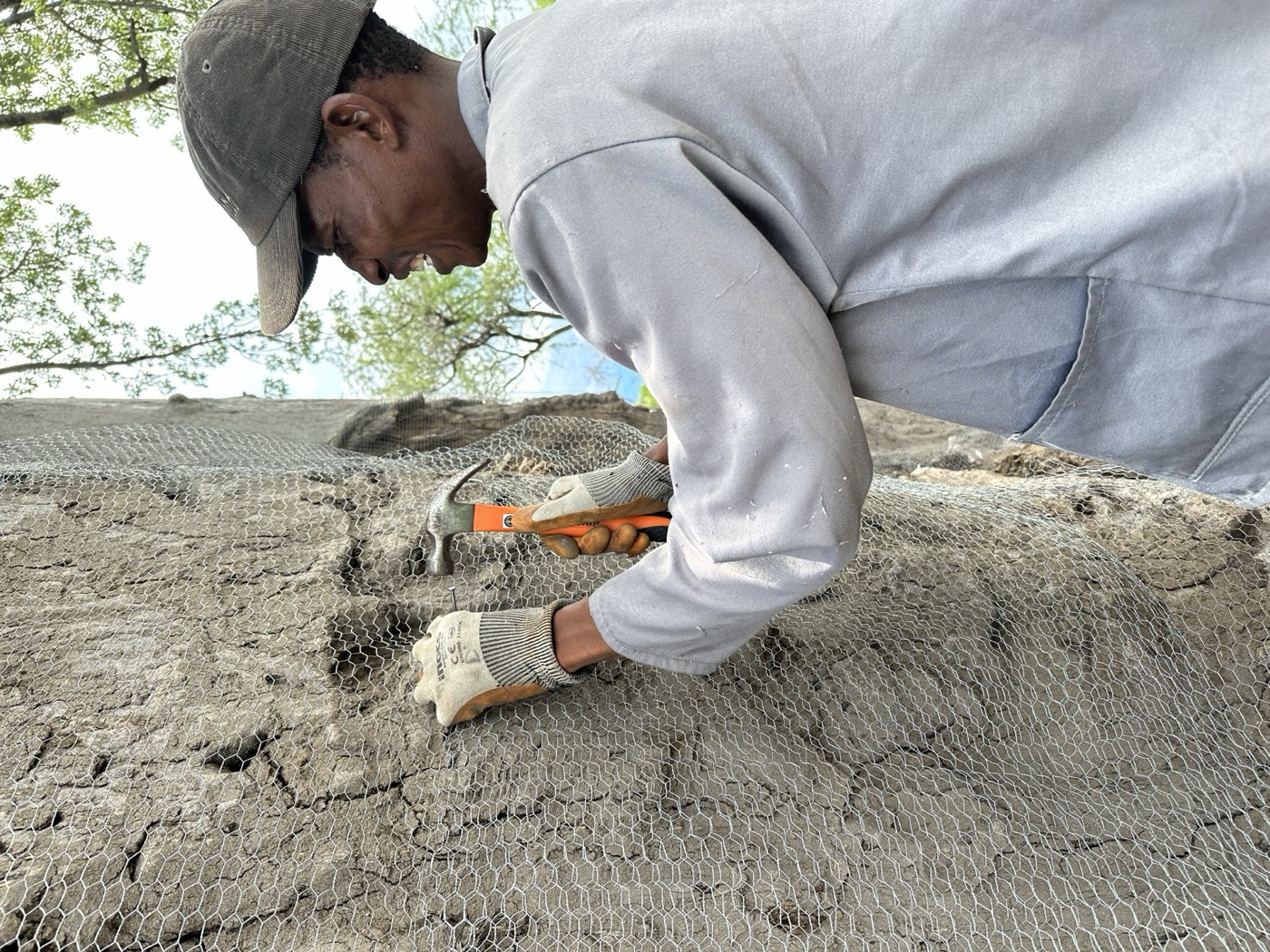
These efforts are simple, but they work. Across Africa, similar techniques have successfully reduced tree loss while allowing elephants to move freely through their habitat.
Samonyana's role is not to control nature — that would miss the point entirely. Instead, it is to help restore balance where it has been lost, protecting the ancient trees that give the island its character while allowing elephants to remain the magnificent architects of the Delta landscape.
Guests who visit Samonyana are not just observers of this wild place — they become part of the story of caring for it.
Monitoring in Action
Solar-powered sensors on the most vulnerable trees
Some of the island's most at-risk baobabs are now fitted with solar-powered monitoring units, quietly tracking each tree's condition so our team knows exactly where to focus protection efforts next.
Here, conservation is not a distant idea.
It is something happening quietly, tree by tree.
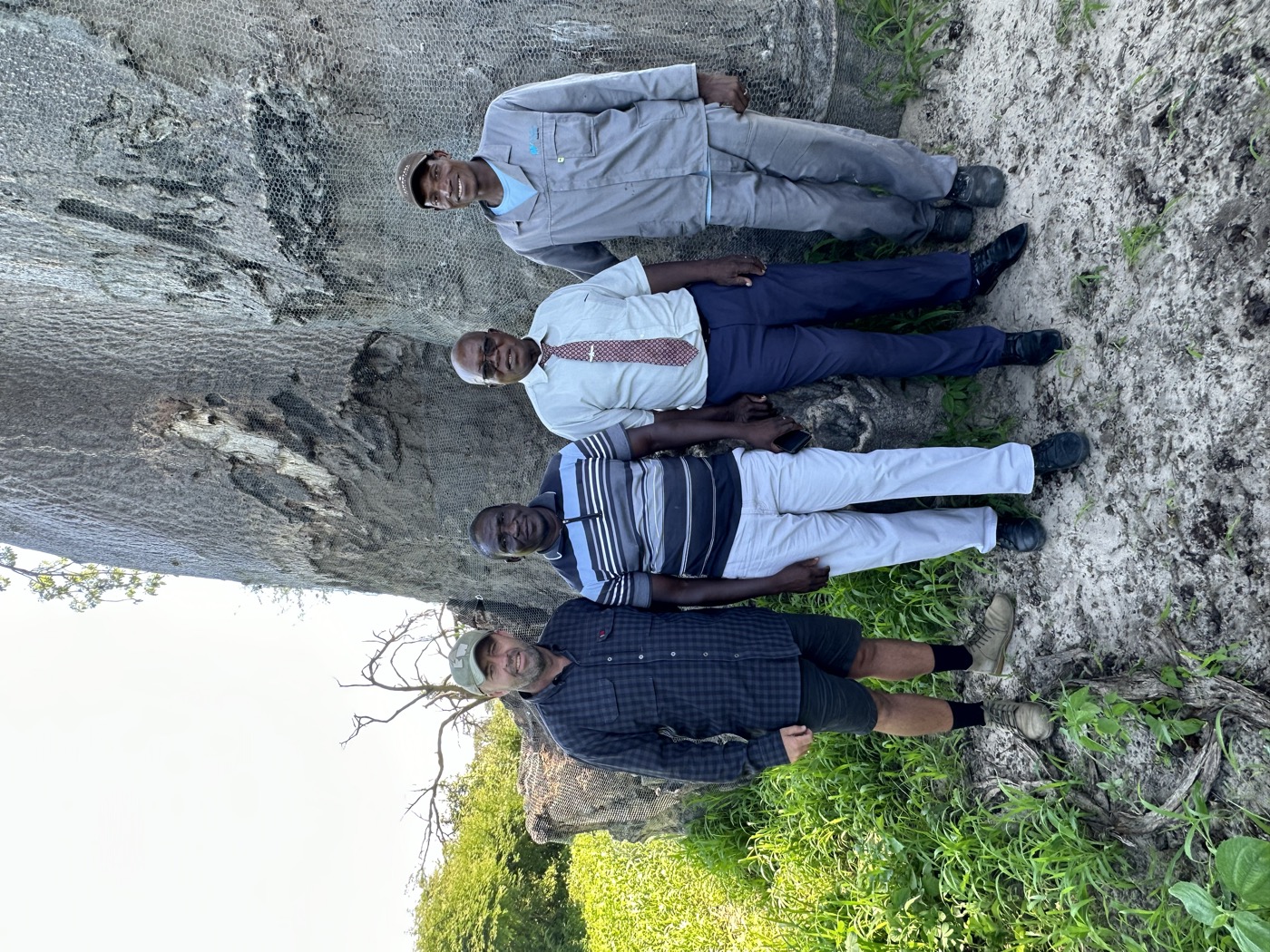
The People Behind the Work
Private Island Bookings
Be a custodian
Every night at Samonyana directly funds our conservation work. Come with respect, leave with a story.